
Buying a Miami condo in 2026 and 2027: the three-document check before you offer
Last reviewed: November 7, 2026. Sources for this page are listed in its fact sheet.
Short answer first. Before you offer on a Miami condo, ask for three documents in writing: the building's Structural Integrity Reserve Study (the SIRS), its milestone inspection report, and the association's written disclosure of current, pending and anticipated special assessments. Together they answer the question the listing price hides: what will this building charge you, beyond the mortgage, in the next few years? Florida built this paperwork after the collapse of Champlain Towers South in Surfside in 2021, under the 2022 law known as SB 4-D. The system is new enough that plenty of sellers still talk as if it doesn't exist. It does. Buildings of three habitable stories and up are inside it, and a joint deadline lands on December 31, 2026 for buildings doing the two studies together, which is why assessment news keeps breaking through 2026 and 2027.
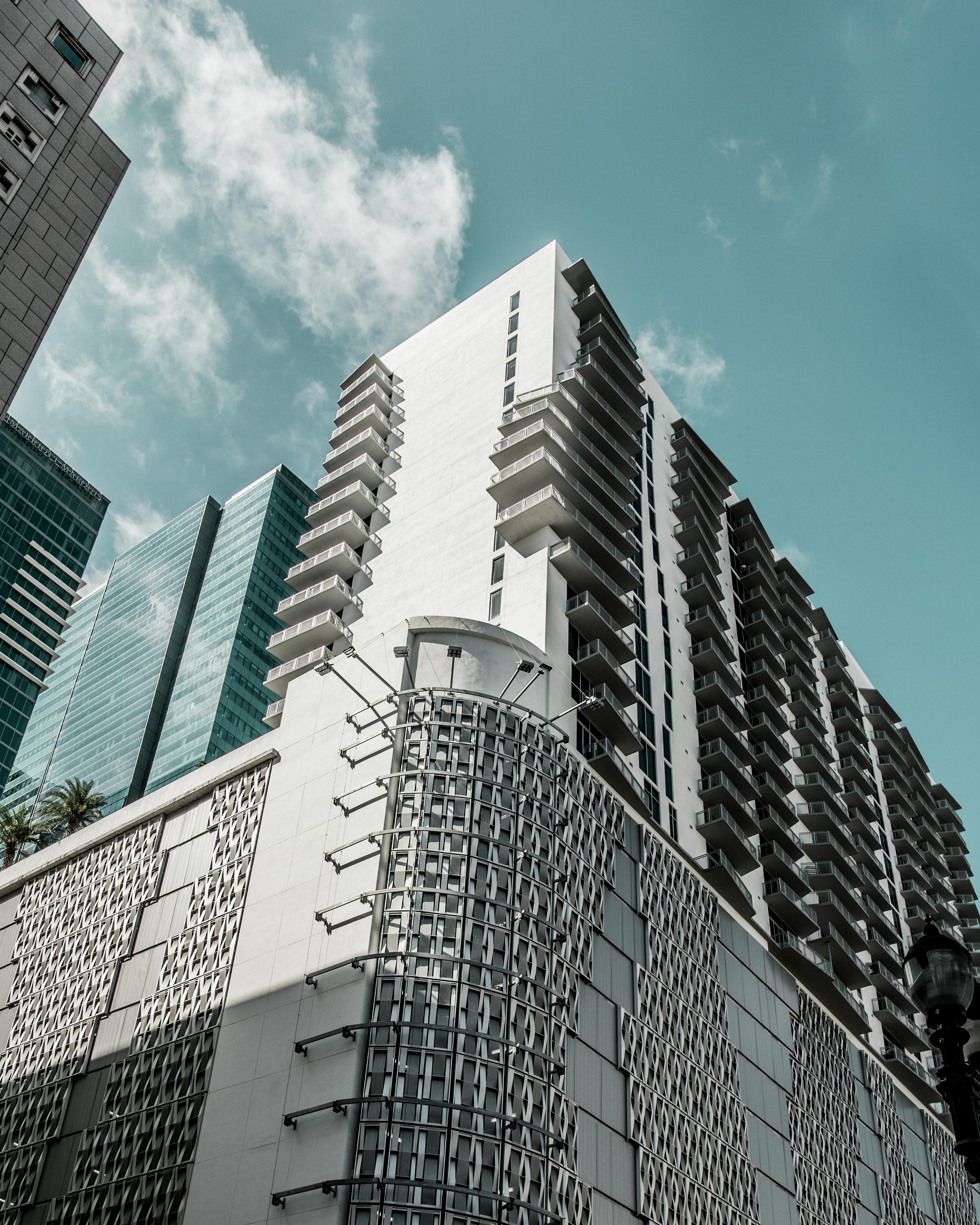
Downtown Miami high rises, seen from street level. Photo: Jacoby Clarke, Pexels.
Document one: the milestone inspection report
The milestone inspection is the building's structural health check, required under Florida Statute 553.899 for condo and co-op buildings of three or more habitable stories. The timing rule, from the state Division of Condominiums: a building goes through it at 30 years of age, counted from its certificate of occupancy, and every 10 years after. A 25 year first inspection applies only where the local enforcement agency has decided that local circumstances, including closeness to salt water, require the earlier date. Older summaries describe an automatic three mile coastal rule. That automatic rule was repealed in 2023, so the 25 year date is a local decision, not a distance measurement. Ask which rule your building's city or county applied, and ask for the report itself: its findings, and any Phase 2 follow-up it ordered, are the building's repair list in the engineer's own words.
Document two: the SIRS, and the eight things it prices
The Structural Integrity Reserve Study takes the inspection's world and prices it. The Division of Condominiums lists eight elements the study has to cover: the roof; the structural systems; fireproofing and fire protection systems; plumbing; electrical systems; waterproofing and exterior painting; windows and exterior doors; and any other element over $25,000 that affects structural integrity, a threshold the Division updates each year with inflation. Read the study for two numbers per element: the estimated remaining life, and the estimated replacement cost. A roof with three years left and a $2 million price tag is a future assessment with a date on it, whether or not the board has voted it yet.
The funding rule is where buyers get caught, so read it carefully. For budgets adopted on or after January 1, 2025, an association can't waive or reduce funding of the SIRS reserves. For older budgets a majority vote could waive, with full funding required to begin January 1, 2026. In plain terms: a building that ran on waived reserves for years is now building those reserves into the monthly fee, on a schedule set by law. A low monthly fee in an older building is no longer a bargain sign. It's a question. Ask whether the current budget funds the SIRS in full, and get the answer in the documents, not in a hallway.
Document three: the assessment disclosure, plus the deadline behind it
The third document is the association's own statement of where assessments stand: what's been levied, what's pending a vote, and what's anticipated from the SIRS and milestone work. Florida law backs your right to the paper. Under Statute 718.503, a nondeveloper seller has to furnish the buyer, at the seller's expense, with the current declaration, articles of incorporation, bylaws and rules, the financial information required by the condo law, and the Frequently Asked Questions and Answers document. Request the full set by name, plus the current budget, the reserve schedule, and any notice of a planned special assessment. One deadline sharpens all of this for the next few months: associations that complete the SIRS together with a milestone inspection due by the end of 2026 have to finish by December 31, 2026. Buildings are landing their studies, and their assessment votes, right through this winter. A disclosure dated six months ago can already be stale.
On scale, this page prints no average, because no state source publishes one, and invented averages are how buyers get hurt. News reports through 2025 and 2026 have carried named buildings with per unit assessments in the tens of thousands of dollars, with the largest reported cases running far higher. Treat any figure a seller or an article gives you as a claim about one building, and settle your building's number from its own three documents.
The contract window and the county loan program
Once you're under contract, the checklist widens: the estoppel certificate, which states what the unit owes the association; the full budget and reserve funding status; any pending litigation naming the association; and a fresh confirmation, right before closing, that no new assessment has been levied since your offer. Write the document requests into the offer timeline instead of hoping the standard disclosures cover them. They often don't, at the speed buildings are moving now.
One county program belongs in this section with its status stated exactly. Miami-Dade County's Condominium Special Assessment Loan Program, which lends owner-occupants money to pay assessments, relaunched in 2026 at about $15 million, with loans of up to $50,000 per unit at 0 percent interest for eligible households earning up to 140 percent of area median income, paid directly to the association, with priority for seniors 62 and over. Its 2026 application window ran June 1 to June 30, 2026, and it is closed as this page is checked on November 7, 2026. If you're buying into a building with a large assessment, the program is worth watching for a reopening on the county site. It is not money you can count at closing today.
The facts that matter
Condo facts checked November 7, 2026 on the Florida Division of Condominiums site (condos.myfloridalicense.com) and Florida Statutes: milestone inspections apply to buildings of 3 or more habitable stories at 30 years, every 10 years after, or at 25 years where the local enforcement agency requires it. The SIRS covers 8 elements including other items over $25,000 affecting structural integrity. Budgets adopted on or after January 1, 2025 can't waive SIRS reserve funding. A SIRS done with a milestone inspection due by the end of 2026 must be complete by December 31, 2026. Buyer document rights sit in Fla. Stat. 718.503. The Miami-Dade assessment loan program's 2026 window was June 1 to 30, 2026, up to $50,000 at 0 percent for eligible owner-occupants, and is closed at this check (miamidade.gov).
Frequently asked questions
The building is only 20 years old. Does any of this apply?
The milestone clock hasn't hit it yet, but ask anyway. A young building can still carry a special assessment for a roof, a garage, or a settlement, and the disclosure request costs you nothing.
The seller says the assessment is paid in full. Enough?
It's a start, not the answer. Paid in full covers the levied assessment. The SIRS tells you what's coming next, and that's the document that protects the years after closing.
Where does flood fit?
Beside this check, not inside it. Run the address flood zone check on the building, then do the three documents.
Keep planning
Next steps: the flood zone, surge zone and elevation check, the rent first or buy first math, the homestead filing guide for after you close, and the moving to Miami hub.