
Amendment 3 passed: why December 31, 2026 is the date that matters
Last reviewed: November 4, 2026. Sources for this page are listed in its fact sheet.
Short answer first. Florida voters approved Amendment 3 on November 3, 2026, with 61.99% voting yes statewide, past the 60% the amendment needed. Those are the unofficial results; the certified count comes later. The amendment raises the homestead exemption against non-school property taxes, and it pays the bigger amount to people who are already Florida permanent residents at the end of this year. Hold that status through December 31, 2026 and the exemption starts at up to $150,000 in 2027 and up to $250,000 in 2028. Become a permanent resident on or after January 1, 2027 and it starts at up to $50,000. Same state. Same amendment. Your move date sets which line you're on.
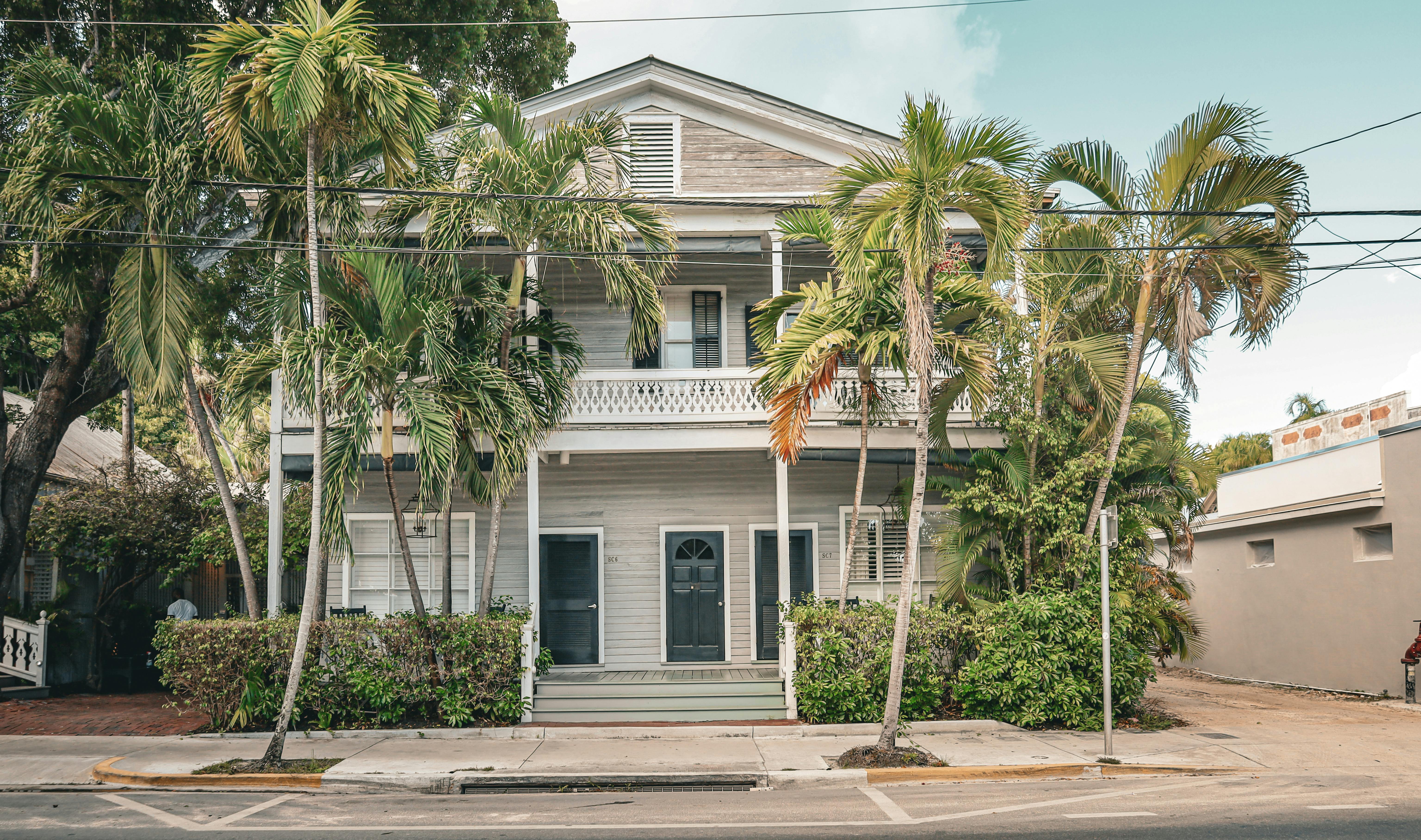
A Florida house with palms out front. This is a stock photo of a Key West home, shown to picture the kind of house the exemption applies to, not a specific Miami property. Photo: Arian Fernandez, Pexels.
What Amendment 3 changes, in plain terms
Florida's homestead exemption knocks a slice of your home's assessed value off the tax bill. Today that slice is up to $25,000 against every taxing authority, plus up to $25,000 more against non-school taxes on the value between $50,000 and $75,000. Amendment 3 stacks a much larger exemption on the non-school side. If you maintained permanent residence in Florida as of December 31, 2026, the new exemption is up to $150,000 of assessed value from January 1, 2027, and up to $250,000 from January 1, 2028, with inflation adjustments from January 1, 2029. If your permanent residence starts on or after January 1, 2027, the exemption is up to $50,000 from January 1, 2027, adjusted for inflation from 2028, and you reach the larger amount beginning with the fifth year you hold the exemption.
Two limits to keep straight. School taxes don't change: the exemption against school district levies stays at $25,000. And the amendment only touches the non-school side of the bill, which is why every dollar figure below is worked on non-school rates. The amendment also lowers the assessment cap on non-homestead property, second homes and rentals, from 10% a year to 5% starting January 1, 2027.
The dollar gap, worked on a real tax rate
Exemption dollars turn into bill dollars through the millage rate, the local tax rate. Using the City of Miami's 2025 adopted rates from the Miami-Dade Property Appraiser, the non-school portion runs 13.4888 mills, meaning $13.4888 of tax per $1,000 of assessed value. Run the two move dates through that rate:
Tax year 2027. Resident by December 31, 2026: up to $150,000 exempt. Resident from January 1, 2027: up to $50,000 exempt. The $100,000 difference is worth about $1,349 a year at those rates.
Tax year 2028. The early resident's exemption rises to up to $250,000. The later arrival is still at the $50,000 start, on the way to the larger amount in year five. The $200,000 difference is worth about $2,698 a year.
Add 2027 through 2030 together and the gap comes to about $9,400 at unchanged 2025 rates. Rates move, assessed values move, and the exemption only counts up to your home's assessed value, so treat that as a worked example rather than a quote. The shape of it won't move, though. Arriving eight weeks from now instead of eight weeks into 2027 carries a four figure cost every year until the later arrival's exemption catches up.
You do not need to own a home by December 31
Read the amendment's own wording. It covers Florida residents who have established a homestead or who will establish one. The test at the end of 2026 is permanent residence, not a closing date. A renter who is genuinely living in Florida as a permanent resident on December 31, 2026 sits on the early line. When that renter later buys and files for homestead, the higher schedule is the one waiting.
The exemption itself still follows the usual homestead rules. You claim it on a home you own and occupy as your permanent residence on January 1 of the tax year, and you file form DR-501 with the county property appraiser by March 1. Renting through this winter protects your place in line. It doesn't put an exemption on a landlord's tax bill, and it isn't meant to.
What counts as Florida residency
Florida's highway safety department treats you as a resident once you do things residents do: accept employment here, enroll your children in a Florida public school, register to vote, file for the homestead exemption, or live in Florida for more than six consecutive months. For a move landing this winter, the clean paper trail is a Florida lease or closing in your name, a Florida driver license or ID, and your working life based here. Half measures cut both ways. If Florida is your permanent home on paper for this deadline, it needs to be your permanent home in fact, and a state you leave behind can still claim you for its own taxes if your ties there stay stronger. That's a conversation for a tax professional before you move, not after.
If buying is part of the plan, the calendar now argues for a specific order. Settle the residency first, this side of December 31. Shop for the house on the normal timeline after that. A rushed December closing buys you nothing the lease didn't already secure, and a bad house costs more than $9,400.
When you will actually see it on a bill
Not in 2026. The bigger exemptions start with the January 1, 2027 tax year. Miami-Dade sends proposed tax notices, the TRIM notices, in August 2027, and the first bills carrying the new exemption arrive in November 2027. If you're pricing a 2027 purchase off a seller's current bill, remember two things: the seller's exemptions leave with the seller, and the assessed value resets toward market at a sale. Our New York to Miami cost comparison works a full Miami tax bill line by line on a $650,000 example.
The facts that matter
Amendment 3 facts, checked November 4, 2026 against the amendment summary and the Division of Elections reporting: voters approved the amendment on November 3, 2026 with 61.99% yes statewide (4,917,482 yes votes) and 65.58% yes in Miami-Dade County, past the required 60%; results are unofficial until the state certifies them. Permanent residence maintained as of December 31, 2026 qualifies for a non-school homestead exemption of up to $150,000 from January 1, 2027 and up to $250,000 from January 1, 2028, inflation adjusted from 2029. Permanent residence beginning on or after January 1, 2027 qualifies for up to $50,000 from January 1, 2027, with the larger amount beginning in the fifth year of the exemption. The school levy exemption stays at $25,000. The worked example uses the Miami-Dade Property Appraiser's 2025 adopted City of Miami rates: 19.9878 mills total, 13.4888 mills non-school.
Frequently asked questions
Did Amendment 3 pass?
Yes, on the unofficial count. Statewide yes votes came to 61.99% on November 3, 2026, above the 60% an amendment needs, and Miami-Dade voted 65.58% yes. The figures become final when the state certifies the election.
Do I have to buy a house before December 31, 2026?
No. The amendment's test is permanent residence, and its text covers residents who have established a homestead or will establish one. A genuine Florida renter on December 31, 2026 holds the early position; the exemption itself starts when you own and occupy a home on a January 1 and file by March 1.
Does the amendment cut school taxes too?
No. The exemption against school district levies stays at up to $25,000. Amendment 3 grows the non-school exemption only, which is why the savings math runs on non-school millage.
What if I move to Florida in 2027 instead?
Your exemption starts at up to $50,000 in your first year, inflation adjusted from 2028, and reaches the larger amount beginning with the fifth year you hold it. Against the December 2026 resident, that's about $9,400 of extra tax across 2027 to 2030 on the worked example above.
When do the lower bills start?
With the 2027 tax year. You'll see the new exemption in the August 2027 TRIM notice, and the first lower bill arrives in November 2027.
Keep planning
The Moving to Miami hub sequences the whole relocation, the Miami moving checklist runs the 12 weeks before the move and the deadlines in the first week after it, and the neighborhood guides cover where in Miami-Dade the new address might be.